
Eli L reflects on how Jewish culture turns trauma into ritualised food, exploring darkly humorous and symbolic ways to commemorate the events of October 7 through culinary traditions.
“They tried to kill us. We survived. Let’s eat.”
We have all heard the line. It is practically a punchline by now. From Haman’s triangular ears to Hanukkah’s oil-soaked excess, from the symbolic Seder plate to every kugel baked with inherited anxiety, Jews have long had a habit of turning history into cuisine; making a meal out of a meal. We do not just remember, we season, bake and serve.
There is something quietly fascinating about this instinct. Trauma becomes ritual, survival becomes a menu. You could call it eating our feelings, though that may be a metaphor best left partially digested. Which brings me to the question at hand. When the dust finally settles and today’s wave of Jew hatred recedes, what food will we eat to commemorate October 7?
If history is our guide, commemoration comes dressed as triumph. Perhaps it will take the form of novelty sweets, such as a chocolate pager, a wink to ingenuity and survival rather than fear (you could even add some chilli flakes to remind us of the feeling of a terrorist’s face exploding). Something playful, deceptively ordinary. Perhaps they are handed out Mishloach Manot-style, with surprise fillings, some delightful, some memorable. If we go this route, I propose we call them Beepers, as they are known in Ivrit. Or, if we are feeling bolder, Mossados.
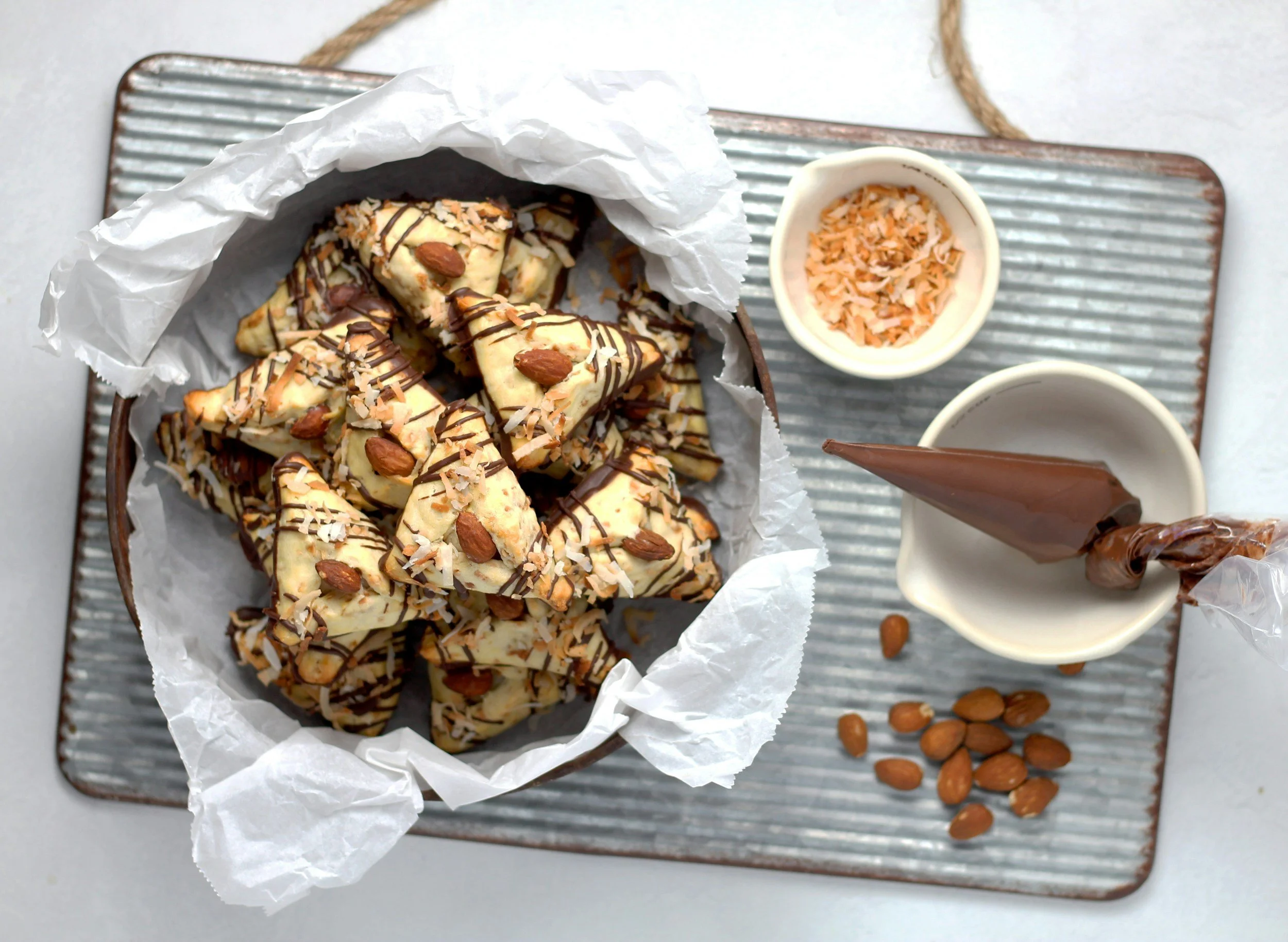
Alternatively, tradition often prefers to immortalise our enemies in caricature and confection, humiliated, miniaturised and consumed. Enter the Hamantaschen model. Imagine sour green candy strips tied into makeshift headbands as those of Hamas terrorists. We could decorate them with white icing, just as generations before us inscribed chocolate letters on Passover matzah. I can imagine my future grandchildren writing name place cards on individual candy headbands at the October 7th table, just as my mother writes a chocolate name on a piece of matzah every Passover. Should this be our selection, I would like to call these ‘Hamasegama’. For this option, I suggest Hamasegama, a mash-up of our adversary’s name and the Hebrew word for trend. Though I would be remiss not to float the obvious contender, Gaza Strips. I will let the editorial board, or you, decide.
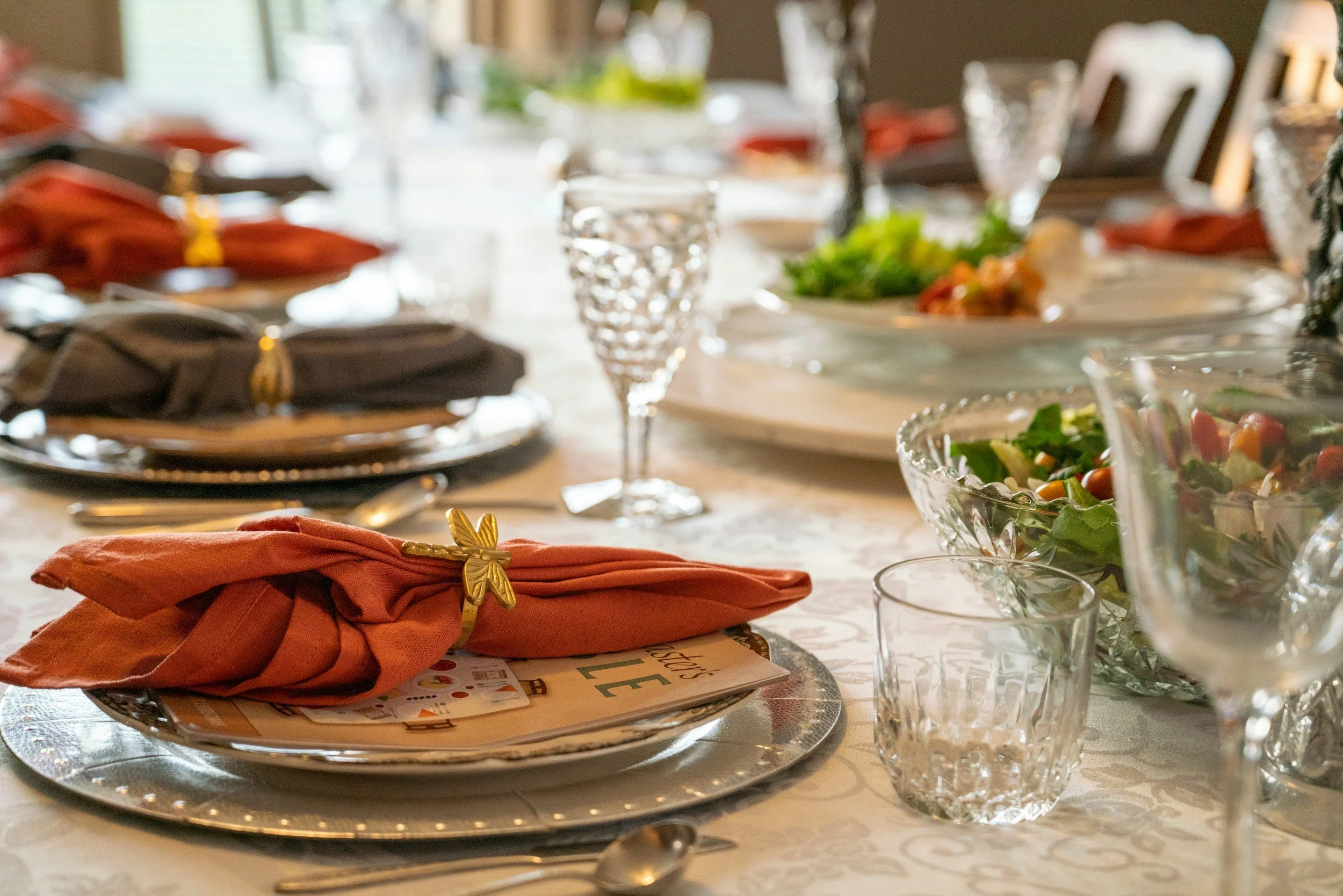
Contrastingly, our signature food could come from an obstacle that us jews have overcome in this time of hardship. Why else would we eat straight cardboard for 8 days in April? If this is the case, I’d like to suggest we have a full three course meal of vegetable soup, followed by lamb with all the fixings (e.g. tahina, hummus, chickpeas, tzatziki etc.), then follow with some baklava and sweet tea for dessert. This will be to remind ourselves of what the hostages ate for over 400 days, or at least the menu provided by Café-al-Hamas. Much like the alternative of dry bread, dry beans, and minimal water, this lie is also much easier to swallow.
If the intention is to honour the hostages, the most accurate commemoration might not be a feast at all, but a fast, eating only after sundown, day after day. Call it the Level Delicacy, a nod to lives lived underground. Or in Hebrew, Ramat Ma’adan, though the irony of its near homonym would not be lost on anyone.
Whatever form this future ritual takes, one thing is certain. Jews process history with a fork in hand. Is it healthy? Perhaps not for our cholesterol. But show me another people who gather, again and again, to metabolise trauma into strength, who turn pain into a reason to sit closer and stay longer at the table.
As for our enemies, though, they’ll be celebrating October 7th with a silver platter of crow.
