
Fashion or politically fashionable? Zoe Heiman takes a deep dive into the 2026 Met Gala and how it became a flashpoint for fashion and political discourse.
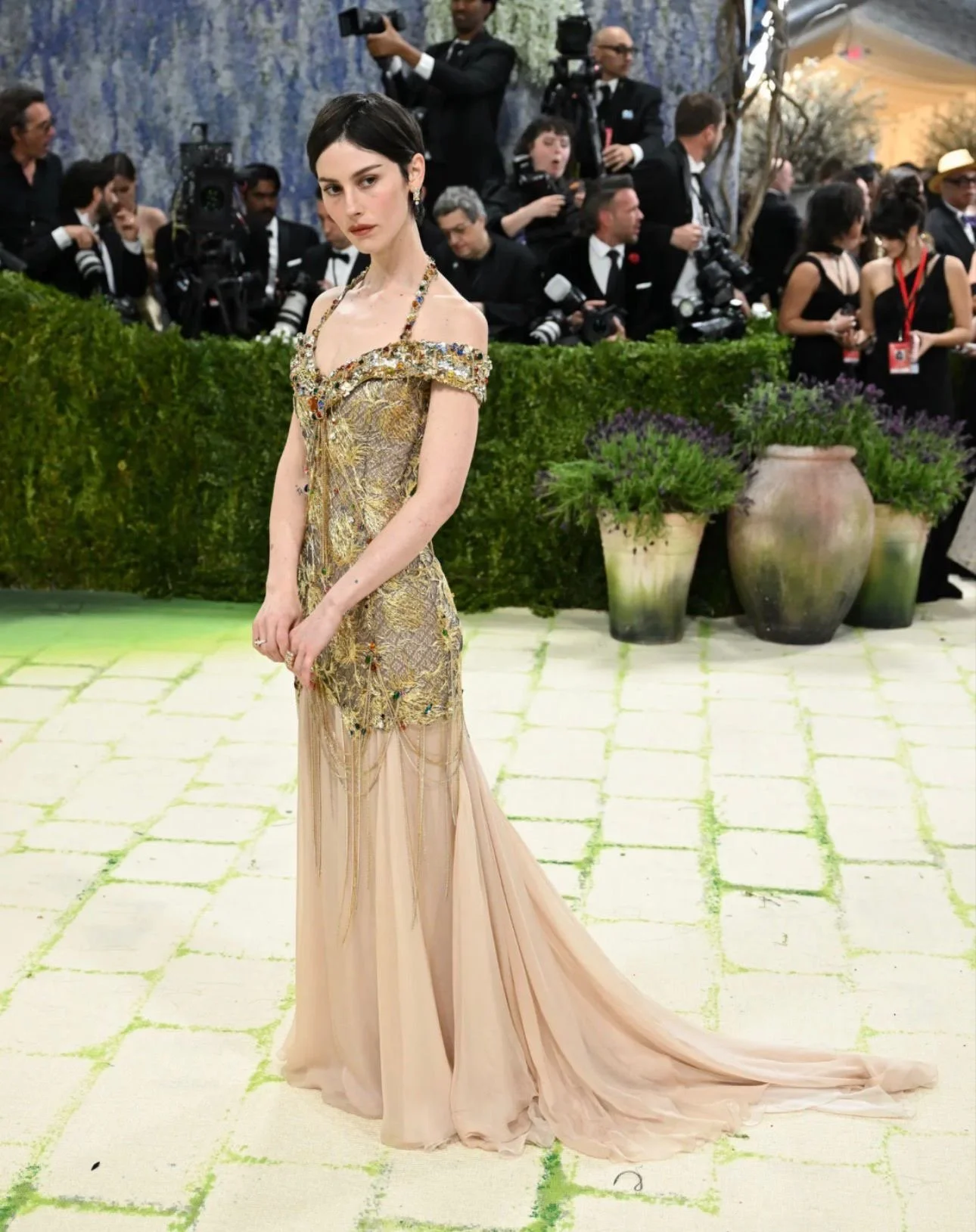
The 2026 Met Gala was never going to be just about fashion. In a world where every celebrity appearance is instantly analysed online, this year’s event quickly became part of a much larger conversation surrounding Palestine, anti-Zionist activism, and the expectations placed on public figures.
Across social media, people almost immediately shifted focus away from the outfits and instead concentrated on who had spoken about Gaza, who had stayed silent, and whether attending an event as extravagant as the Met Gala during an ongoing crisis was itself a political statement. Outside the event, protests called attention to the war, while online discourse turned the night into another battleground for wider global tensions.
What interested me most was how many celebrities used fashion to communicate identity, heritage, and political symbolism, often without directly referencing Palestine itself. The Met Gala has increasingly become a space where fashion acts as activism, with outfits designed to represent culture, history, and personal identity. Yet this year, many people felt there was a noticeable absence of direct acknowledgement of Gaza from celebrities inside the event, especially compared to the intensity of the conversations taking place online.
For many young Jewish people, these discussions can feel incredibly complicated. In online spaces, anti-Zionism is often presented as entirely separate from antisemitism and, while criticism of the Israeli government is both valid and necessary in any democracy, many Jews feel the current climate has gone beyond political disagreement. When criticism turns into hostility towards Jewish people, Jewish symbols, or Jewish identity itself, it becomes difficult not to experience it personally. Sometimes, simply seeing a Magen David online is enough to spark hostility in a comment section.
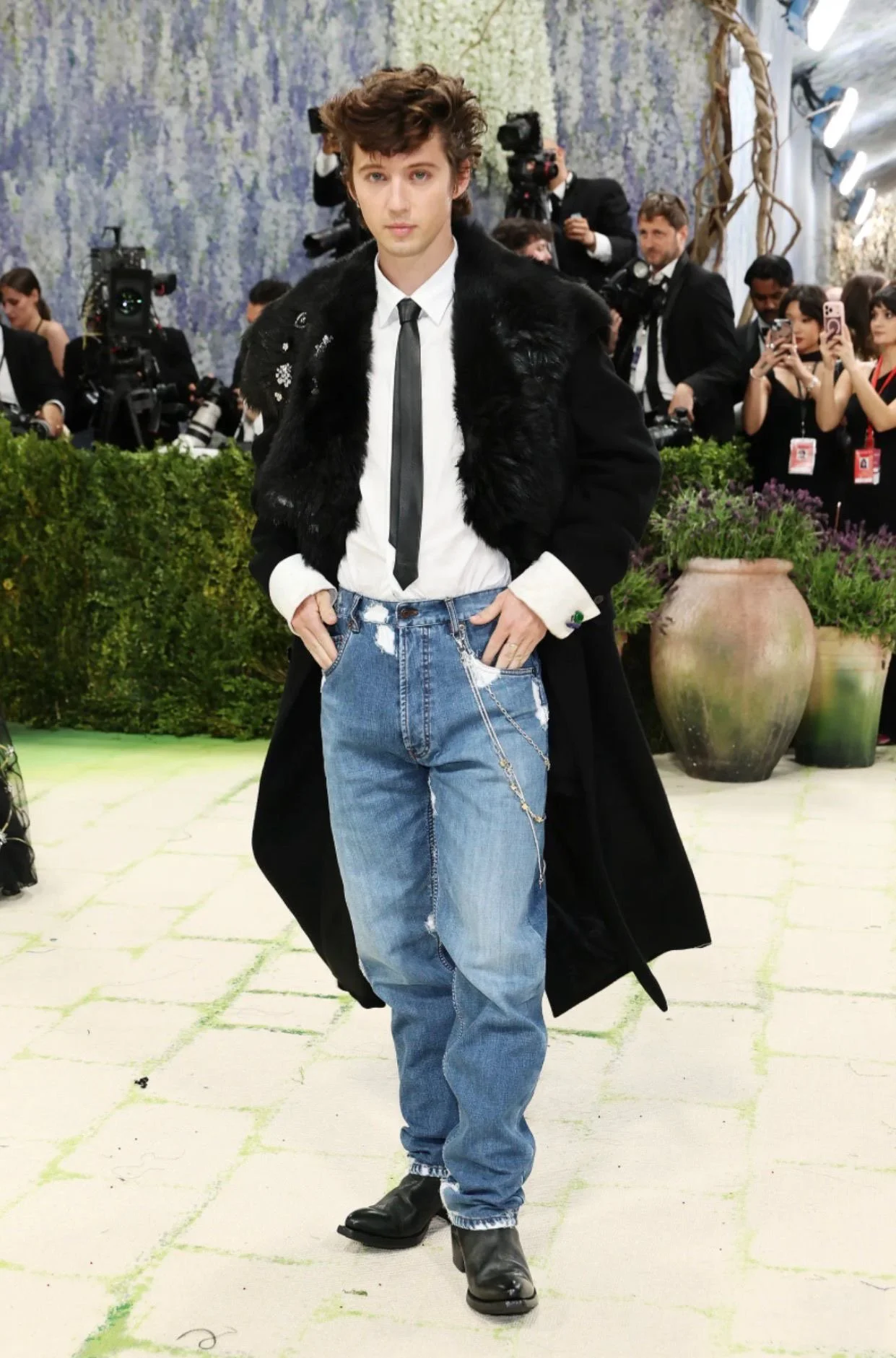
At the same time, I can speak for myself and many Jewish people who also feel deep grief for innocent Palestinian civilians and for the suffering taking place in Gaza under Hamas’ regime. These emotions are not mutually exclusive, even though social media often pressures people into treating them that way. One of the hardest aspects of online culture is the expectation to fit into simplistic categories: either fully on one side or the other, either speaking loudly enough or being accused of silence.
However, the 2026 Met Gala also highlighted something else: the visibility of Jewish identity within popular culture. Jewish celebrities such as Sombr, Gracie Abrams, Troye Sivan, Joey King, Ben Stiller, and Adrien Brody remained part of the celebration of fashion, creativity, and self-expression throughout the night. At a time when Jewish identity is so often politicised online, there was something meaningful about simply seeing openly Jewish figures existing confidently and being celebrated for their talent rather than being dragged into political discourse.
Maybe that is what conversations like this should remind us of: people are more complicated than social media allows them to be. The Met Gala showed how quickly culture becomes politicised, but it also highlighted why spaces like youth movements matter. They give us room for nuance, room to care about Palestinian suffering while also recognising rising antisemitism, room to criticise governments without attacking identities, and room to have conversations that are thoughtful and genuine because, ultimately, the most valuable thing young people can bring to discussions like these is not louder outrage, but deeper understanding.
