
The editor’s reflection on our Pesach just passed.
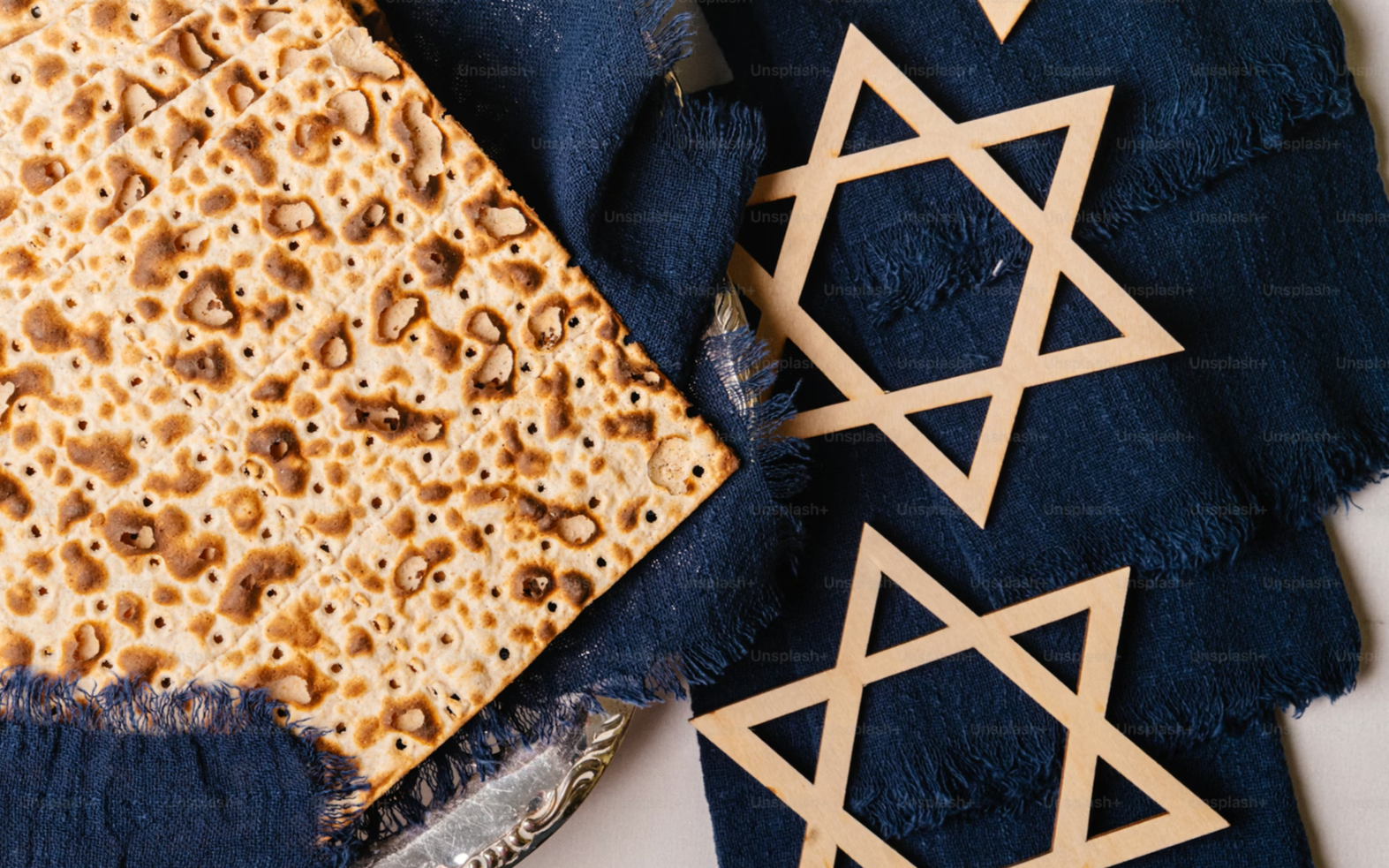
As we ask ourselves, ‘Why is this night different from all other nights?', think back to Zoom Seders, scaled-down gatherings, broken-up, hardly-audible shouts of ‘I think you're on mute,’ while a pitchy Ma Nishtana is sung over the crackling sound of microphones. Restricted and isolated. Pesach tells a story of freedom, liberation and unity. We sit around the Seder table each year with family and friends, celebrating our escape from slavery in Egypt and formation into a nation. The Torah tells us that each Jewish person ought to view themselves as if they left Egypt - generations and generations of retellings of the Pesach story, feeling the pain of our ancestors, collectively sharing hardships through ingesting salt water and parsley as a reminder of their tears. As we reflect on our history and our heritage, today it is just as important to use Pesach as a chance to connect to our present. The word Zachor, remember, lives at our core; with every chag we celebrate, we remember. The dichotomy of our joy and commemoration is central to who we are as Jews.
This year, as we sat around our Seder tables, we did so with a sense of relief that so many of those who were taken from us have returned home. We are grateful for their safe return, for the moments of reunion, and for the possibility of healing that once felt so distant. Yet that relief is not complete. As we reflect on the Wise Son, the Wicked Son, the Simple Son, and the Son who is Too Young to Ask Questions, we must also remember those who are not here to ask, to answer, or to sit at the table at all; remember the fifth child, and the sixth and seventh and the 85 hostages who were murdered in Gaza missing from our seders. We remember those who were killed on October 7th and all those since that dreadful day in 2023, whose absence is felt in homes, in communities, and across our people. This Pesach, as we told the story of our liberation from Egypt, we carried both gratitude and grief. We give thanks for those who came home, and we honour those who never will. In doing so, we ensure that their memory remains part of our story, present at every table, and held within our collective זיכרון. L'shana haba b'yerushalayim. Am Yisrael.
