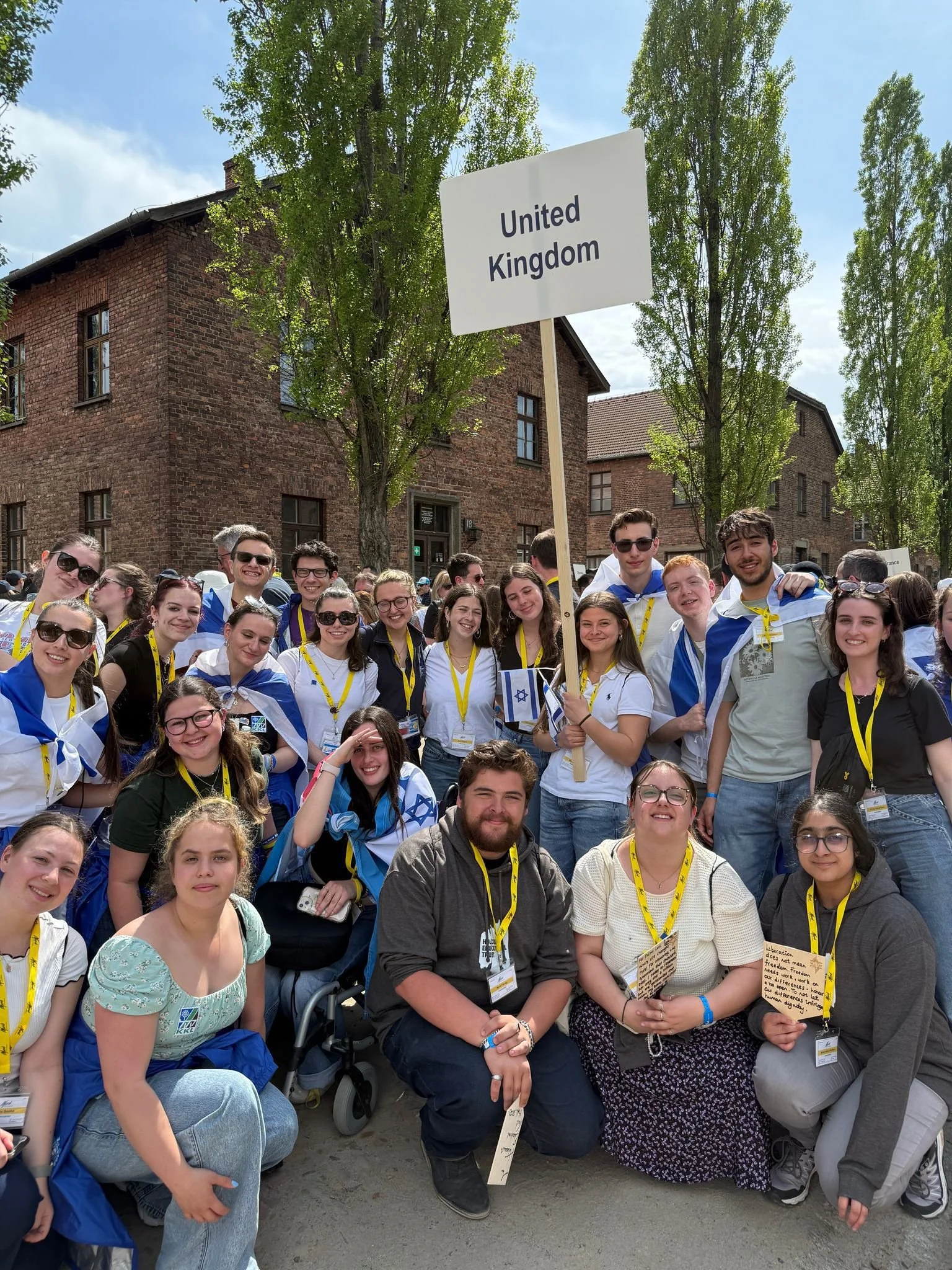
Today, 27 January 2026, marks Holocaust Memorial Day. Saf reflects on her time in Poland, visiting key Holocaust sites and the lasting impact the trip had on her.
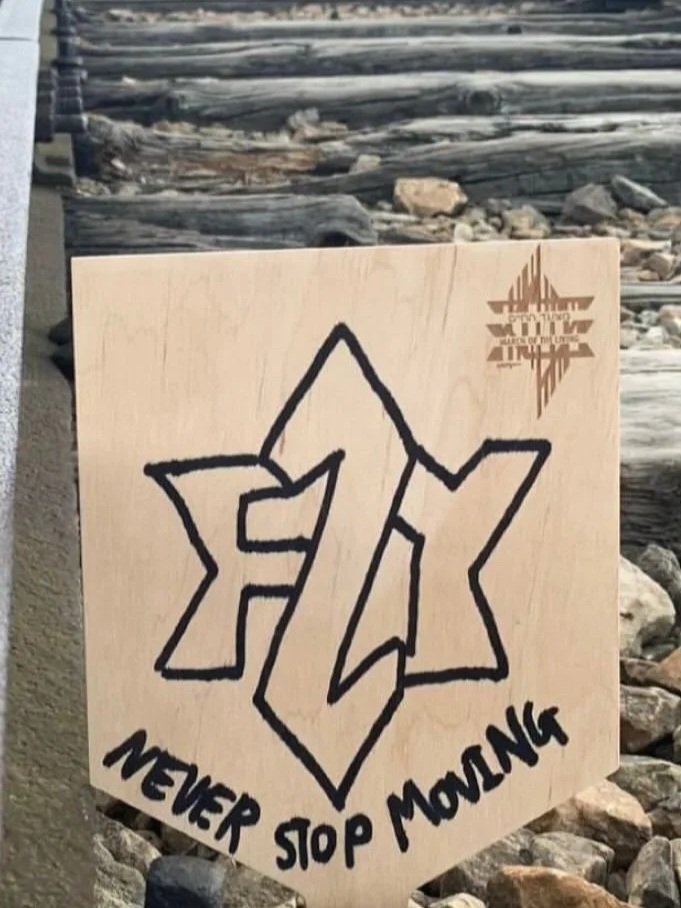
I had waited to go on a trip to Poland because I wanted to make sure I was going with the right mindset and could ensure a meaningful experience. I cannot stress enough how grateful I am to have gone with March of the Living. It was organised in such a special way, striking the perfect balance between learning and experiencing things for yourself.
As someone who has grown up learning about the Holocaust, I can say that you truly have to go, see and feel it for yourself to properly understand. The things I saw and heard have left a lasting mark. They are a call to remember and to bear witness, so that such horrors are never repeated. This was such a special trip, and next year may be one of the last opportunities to visit these historic sites alongside survivors and hear their stories first-hand. Six million is not just a number, and the trip really highlighted to me how each victim represented a family, a community, an entire world.
Below is a brief run-through of the sites we visited each day. The trip powerfully highlighted the lives of Jews in Poland before, during and after the Holocaust, with a strong focus on the vibrancy of Jewish life that once existed there.
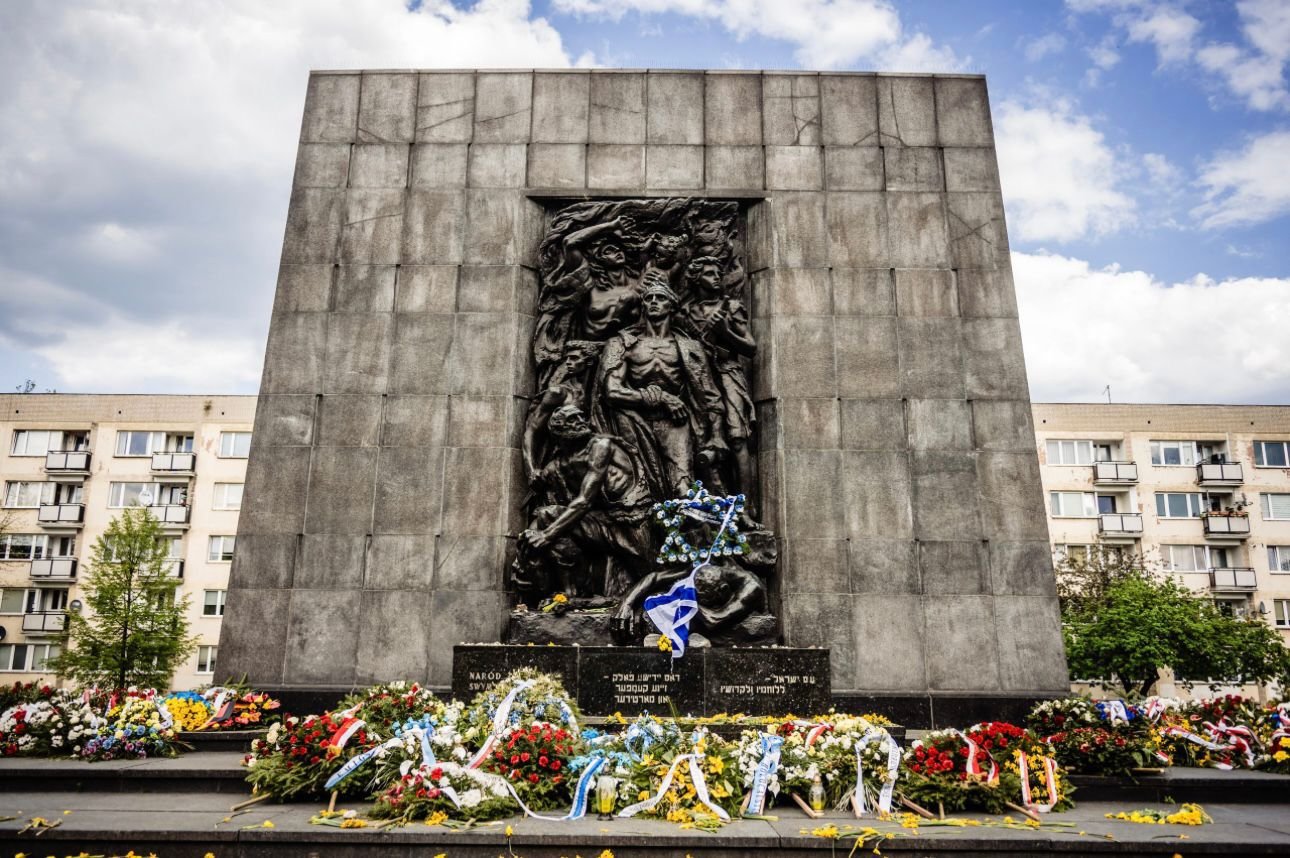
Day 1
We visited the Okopowa Jewish Cemetery, the Ghetto Wall, and walked the Heroes’ Path, ending at the Rapoport Monument to the Warsaw Ghetto Uprising.
Day 2
We travelled to the site of the Majdanek concentration and death camp before continuing to Kraków, stopping along the way at the Łańcut Synagogue. Although it was burned down by the Nazis in 1939, it has since been restored. We also went to Zbylitowska Góra, the site of many mass graves.
Day 3
We visited the Auschwitz-Birkenau concentration and extermination camp. Inside one of the barracks, we heard the personal testimony of Eva Clarke BEM. Hearing her story in the very place where so many suffered was an unforgettable and powerful moment. We then continued to Auschwitz I and saw the “Work Will Set You Free” gate.
That evening, the UK delegation came together to mark Erev Yom HaShoah in a deeply moving ceremony of remembrance and reflection.
Day 4
We began the day in the old Jewish quarter of Kraków before travelling to Auschwitz to begin the march. Two hundred and fifty of us in the UK delegation, spanning many generations and led by five UK survivors, joined over 8,000 people to walk the three kilometres from Auschwitz to Birkenau.
The day was full of emotion, but it felt incredibly powerful to walk out of Auschwitz and Birkenau alive and free, alongside those who lived through the horrors. The ceremony itself was so moving, and I do not have the words to fully describe how special the experience was. Standing among so many people, instead of feeling small or lost in the crowd, I felt an overwhelming sense of being part of something far bigger than myself.
Something that has really stayed with me, even almost nine months later, is how the most horrifying and darkest things I saw were located in the calmest, most normal and peaceful settings. The last remaining part of the ghetto wall sits on a random road with no indication of its significance. The mass graves are hidden within a lush forest. The gas chambers stand in the middle of a quiet field. I still reflect on how harrowing events can occur anywhere, often hidden within normality.
I do not want to get too political, because I do not believe that commemorating the Holocaust should be a political act. However, with everything going on in the world today, now more than ever is the time to remember the horrors of the Holocaust and to say “never again”. Please do not wait too long to go to Poland and miss the privilege of being with survivors and hearing their testimonies, as this may be one of the last years to do so.